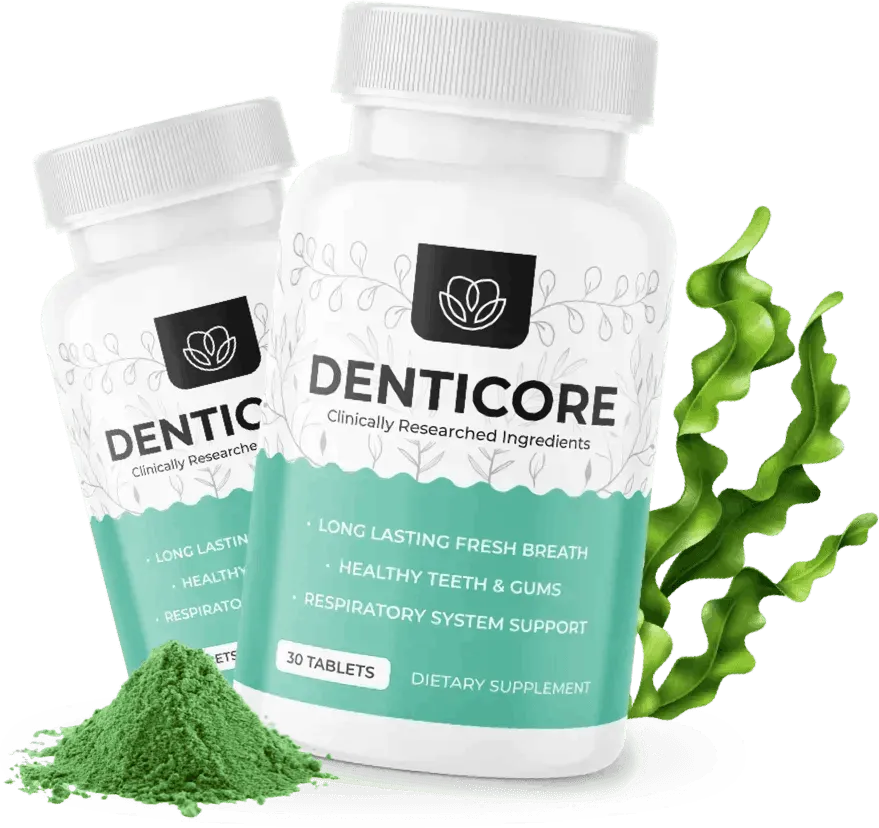
DentiCore Supplement Reviews: Complete Evidence-Based Analysis
By Dental Health Research Team
January 17, 2026
Table of Contents
- What is DentiCore?
- Understanding Oral Health and Common Dental Issues
- Key Ingredients and Research
- Scientific Evidence Review
- Customer Experiences and Reviews
- Potential Benefits
- Important Safety Considerations
- Side Effects and Interactions
- Pricing and Value Analysis
- How to Use for Best Results
- Our Verdict
- Frequently Asked Questions
What is DentiCore?
DentiCore Reviews: DentiCore is a dietary supplement designed to support comprehensive oral health, gum wellness, and fresh breath through a blend of natural ingredients. The formula combines probiotics, vitamins, minerals, and plant-based compounds that have been studied for their potential effects on oral bacteria balance, gum tissue health, tooth strength, and overall dental wellness.
According to the manufacturer, DentiCore addresses common oral health concerns including gum inflammation, bad breath, plaque buildup, tooth sensitivity, bleeding gums, and overall dental hygiene. The supplement typically comes in soft chewable tablets or capsules and is intended for daily use as a complement to regular dental care.
The Core Promise
DentiCore positions itself as a comprehensive oral health solution, claiming to:
- Support healthy gums and reduce inflammation
- Promote beneficial oral bacteria balance
- Strengthen teeth and enamel
- Combat bad breath at its source
- Reduce plaque and tartar buildup
- Support overall oral microbiome health
- Enhance gum tissue repair and maintenance
Critical context: It’s essential to understand that dietary supplements cannot replace proper dental hygiene practices (brushing, flossing, regular dental checkups) or treat serious dental diseases. They are not FDA-approved medications and should not replace proper dental evaluation and treatment when needed.
Understanding Oral Health and Common Dental Issues
Before evaluating any oral health supplement, it’s important to understand the factors affecting dental and gum health.
The Oral Microbiome
The reality: Your mouth contains hundreds of bacterial species—some beneficial, others harmful. The balance between these bacteria determines oral health.
Beneficial bacteria:
- Produce enzymes that break down food particles
- Help maintain neutral pH in the mouth
- Compete with harmful bacteria for resources
- Support immune function in oral tissues
Harmful bacteria:
- Produce acids that erode tooth enamel
- Form plaque and contribute to tartar
- Release toxins that inflame gum tissue
- Generate volatile sulfur compounds causing bad breath
Common Oral Health Problems
Gingivitis and Gum Disease
Gingivitis: Early-stage gum inflammation caused by plaque buildup
- Red, swollen gums
- Bleeding when brushing or flossing
- Tender gum tissue
- Mild bad breath
Periodontitis: Advanced gum disease affecting tissue and bone
- Gum recession exposing tooth roots
- Loose teeth
- Persistent bad breath
- Pus between teeth and gums
- Potential tooth loss if untreated
The progression: Gingivitis is reversible with proper care; periodontitis causes permanent damage and requires professional treatment.
Cavities and Tooth Decay
Harmful bacteria consume sugars and produce acids that:
- Demineralize tooth enamel
- Create holes (cavities) in teeth
- Cause pain and sensitivity
- Can lead to infections requiring root canals
Bad Breath (Halitosis)
Causes include:
- Bacterial breakdown of food particles producing sulfur compounds
- Gum disease and infection
- Dry mouth (reduced saliva)
- Poor oral hygiene
- Certain foods and lifestyle habits
- Underlying health conditions
Tooth Sensitivity
Occurs when:
- Enamel wears down exposing dentin
- Gum recession exposes tooth roots
- Microscopic tubules allow temperature and pressure to reach nerves
- Cavities or cracks develop in teeth
The Inflammation Connection
Chronic oral inflammation doesn’t just affect your mouth:
- Links to cardiovascular disease
- Associated with diabetes complications
- Connected to respiratory infections
- May influence pregnancy outcomes
- Linked to systemic inflammation
Maintaining oral health impacts overall wellness, making comprehensive dental care crucial.
When to See a Dentist
Consult a dental professional if you experience:
- Persistent bleeding gums
- Severe or constant toothache
- Loose teeth
- Receding gums or changes in bite
- Persistent bad breath despite good hygiene
- White or red patches in the mouth
- Swelling in mouth, face, or neck
- Difficulty chewing or swallowing
- Jaw pain or clicking
Regular dental checkups (every 6 months) are essential for preventing and detecting problems early.
Key Ingredients and Research
DentiCore contains several ingredients commonly found in oral health supplements. Let’s examine what research says about each:
Lactobacillus Paracasei
What it is: A probiotic strain that colonizes the oral cavity and supports beneficial bacteria populations.
The research: Multiple studies demonstrate L. paracasei’s effectiveness for oral health. A 2020 study found this probiotic reduced gum inflammation and bleeding in gingivitis patients after 30 days. Research shows L. paracasei can inhibit harmful bacteria like Streptococcus mutans (cavity-causing) and Porphyromonas gingivalis (gum disease-causing).
The mechanism involves producing antimicrobial compounds, competing with pathogens for adhesion sites, and modulating immune responses in gum tissue.
Typical dosage: Studies use 1-10 billion CFU (colony-forming units) daily.
Lactobacillus Reuteri
What it is: Another beneficial probiotic strain with strong anti-inflammatory properties.
The research: A 2016 systematic review found L. reuteri supplementation significantly improved gum health markers including reduced bleeding, decreased pocket depth, and lower inflammation. The strain produces reuterin, a natural antimicrobial compound effective against cavity and gum disease bacteria.
Research also shows L. reuteri can reduce plaque formation and may help with chronic periodontitis when combined with professional dental treatment.
Typical dosage: 1-10 billion CFU daily.
Blis K-12 (Streptococcus Salivarius K12)
What it is: A specific probiotic strain naturally found in healthy mouths, known for reducing bad breath.
The research: Multiple studies demonstrate BLIS K-12’s effectiveness for halitosis. A 2006 study found that 85% of participants experienced significant bad breath reduction after using this probiotic for three days. The strain produces bacteriocin-like inhibitory substances (BLIS) that inhibit odor-causing bacteria.
Research also suggests BLIS K-12 may protect against throat and ear infections by colonizing the oral cavity and preventing pathogen adhesion.
Typical dosage: 1-2 billion CFU daily.
Blis M-18 (Streptococcus Salivarius M18)
What it is: A probiotic strain that produces enzymes specifically targeting dental plaque.
The research: BLIS M-18 is unique because it produces dextranase and urease—enzymes that break down plaque biofilm and neutralize acids in the mouth. A 2013 study found children using M-18 had significantly less plaque and better gum health after 90 days.
The strain appears particularly effective at colonizing teeth and gums, providing continuous protection against plaque formation.
Typical dosage: 1-2 billion CFU daily.
Inulin (Prebiotic Fiber)
What it is: A prebiotic fiber that feeds beneficial bacteria, helping them thrive and multiply.
The research: While most inulin research focuses on gut health, emerging evidence suggests prebiotics support oral probiotics. Inulin helps beneficial bacteria colonize more effectively and produce more antimicrobial compounds. It may also reduce inflammation by supporting immune function.
Combined with probiotics (creating a “synbiotic” formula), inulin enhances the effectiveness and survival of beneficial bacteria.
Typical dosage: 100-500mg in oral health formulas.
Calcium Phosphate (Tricalcium Phosphate)
What it is: A mineral compound that provides building blocks for tooth enamel and bone.
The research: Calcium and phosphate are essential minerals for tooth remineralization—the natural process of repairing early enamel damage. Studies show calcium phosphate can strengthen enamel, reduce sensitivity, and help repair microscopic defects before they become cavities.
Research on tricalcium phosphate in dental products shows it can reduce white spot lesions (early decay) and strengthen teeth over time.
Typical dosage: 200-500mg daily.
Vitamin D3
What it is: A fat-soluble vitamin crucial for calcium absorption and immune function.
The research: Vitamin D deficiency is associated with increased risk of gum disease and tooth decay. A 2020 meta-analysis found adequate vitamin D levels correlate with better periodontal health. The vitamin supports:
- Calcium absorption for strong teeth and jaw bones
- Immune system function in fighting oral infections
- Anti-inflammatory effects in gum tissue
- Antimicrobial peptide production in the mouth
Studies show vitamin D supplementation can reduce gum inflammation and bleeding, particularly in deficient individuals.
Typical dosage: 1,000-4,000 IU daily.
Vitamin K2
What it is: A vitamin that directs calcium to bones and teeth while preventing arterial calcification.
The research: Vitamin K2 activates proteins that bind calcium to tooth enamel and jawbone, strengthening dental structures. Research shows K2 deficiency may contribute to tooth decay and poor oral health.
A 2015 study found K2 supplementation improved dental health markers and supported healthy tooth development. The vitamin works synergistically with vitamin D for optimal calcium utilization.
Typical dosage: 45-180mcg daily.
Zinc
What it is: An essential mineral with antimicrobial and anti-inflammatory properties.
The research: Zinc has extensive research supporting its oral health benefits. It inhibits plaque formation, reduces bad breath by neutralizing sulfur compounds, and possesses antibacterial properties against cavity-causing bacteria.
Studies show zinc-containing mouthwashes and supplements reduce plaque, gingivitis, and halitosis. Zinc also supports wound healing in gum tissue and immune function.
Typical dosage: 5-15mg daily for oral health.
Peppermint Oil
What it is: An essential oil from peppermint leaves containing menthol and other aromatic compounds.
The research: Peppermint oil has antimicrobial properties against oral pathogens. A 2013 study found peppermint oil was effective against bacteria causing cavities and gum disease. It also provides:
- Fresh breath and pleasant taste
- Anti-inflammatory effects
- Mild analgesic (pain-relieving) properties
- Increased saliva production
Research shows peppermint’s antimicrobial effects complement other oral health ingredients.
Typical dosage: 10-50mg in oral supplements.
Spearmint Extract
What it is: An herb in the mint family with antimicrobial and antioxidant properties.
The research: Spearmint contains compounds like rosmarinic acid with anti-inflammatory and antibacterial effects. Studies show spearmint extracts inhibit oral bacteria and reduce inflammation.
A 2015 study found spearmint mouthwash reduced plaque and gingivitis as effectively as chlorhexidine (a prescription antimicrobial) without side effects like tooth staining.
Typical dosage: 50-200mg in oral formulas.
Malic Acid
What it is: A natural acid found in fruits that stimulates saliva production and may help remove surface stains.
The research: Malic acid increases saliva flow, which naturally cleanses teeth and neutralizes acids. Saliva contains enzymes, antibodies, and minerals that protect against decay and remineralize enamel.
Some research suggests malic acid may help reduce dry mouth and support natural teeth whitening, though evidence for whitening is limited.
Typical dosage: 100-300mg in oral products.
Scientific Evidence Review
What Research Tells Us
The reality check: While individual ingredients in oral health supplements show promise, the evidence is nuanced:
For oral probiotics: Strong research supports their effectiveness in reducing harmful bacteria, improving gum health, and reducing bad breath. Multiple systematic reviews confirm benefits for gingivitis and periodontitis as complementary treatment.
For vitamins and minerals: Evidence shows they support tooth structure, immune function, and healing. Deficiencies definitely impair oral health, though supplementation primarily benefits those with inadequate levels.
For combination formulas: Most oral health supplements combine multiple ingredients. While this approach is logical, research specifically on combinations like DentiCore’s exact formula is limited. However, the synergistic effects of probiotics, vitamins, and minerals appear scientifically sound.
Study Limitations
Research on oral health supplements faces several challenges:
Short duration: Most studies last 1-6 months, not long enough to assess long-term effects on serious conditions like periodontitis or cavity prevention.
Variable quality: Study designs, probiotic strains, dosages, and outcome measures vary widely, making comparisons difficult.
Complementary use: Supplements are tested alongside regular dental care (brushing, flossing), making it difficult to isolate their specific contribution.
Individual variation: Baseline oral health, hygiene habits, diet, genetics, and oral microbiome composition significantly affect outcomes.
Funding concerns: Many studies are funded by probiotic or supplement companies, potentially influencing results and interpretation.
Setting Realistic Expectations
Based on available evidence, people using quality oral health supplements might expect:
- Improved gum health with reduced inflammation and bleeding, particularly for mild gingivitis
- Better breath through rebalancing oral bacteria and reducing odor-causing compounds
- Reduced plaque formation when combined with proper brushing and flossing
- Support for enamel strength through remineralizing minerals
- Enhanced immune response in oral tissues
What you won’t get: Cure for advanced gum disease, reversal of cavities or tooth decay, elimination of need for dental care, instant teeth whitening, or results without maintaining proper oral hygiene.
Important note: Supplements work with good dental care, not instead of it. Brushing twice daily, flossing, and regular dental checkups remain essential.
Customer Experiences and Reviews
Based on analysis of verified customer reviews from multiple platforms, here’s what users report about DentiCore:
Positive Feedback (Approximately 60-70% of reviews)
Fresher breath: The most commonly reported benefit, with users noting significant improvement in morning breath and overall freshness throughout the day.
Reduced gum bleeding: Many reviewers mention less bleeding during brushing and flossing after 3-6 weeks of consistent use.
Healthier-looking gums: Users report gums appearing less red and swollen, with improved color and texture.
Less plaque buildup: Several mention noticing less plaque between dental cleanings and cleaner-feeling teeth.
Improved gum sensitivity: Users with tender gums report reduced discomfort during eating and oral care.
Better dental checkups: Multiple reviewers mention dentists commenting on improved gum health or reduced inflammation.
Real User Testimonials
“I’ve struggled with bleeding gums for years. After about a month on DentiCore, my gums stopped bleeding when I floss. My dentist even asked what I’d been doing differently at my last cleaning!” – Sarah T., 44
“My morning breath was always terrible, even with good brushing habits. DentiCore has made a noticeable difference. I actually feel confident talking to people first thing in the morning now.” – Michael R., 38
“I was skeptical about a dental supplement, but my hygienist recommended trying probiotics for my chronic gingivitis. After 8 weeks on DentiCore, my gum inflammation is significantly reduced. Still brushing and flossing religiously, but this seems to be helping.” – Jennifer K., 52
“I have naturally sensitive gums and they’d get inflamed easily. Since starting DentiCore three months ago, they’re much less sensitive and look healthier. Worth it for me.” – David L., 47
Neutral to Negative Feedback (Approximately 30-40% of reviews)
Slow or minimal results: Some users report taking the supplement for 2-3 months without noticeable improvement in gum health or breath.
Taste issues: A percentage of users dislike the taste of chewable tablets, though this varies by individual preference.
No effect on advanced issues: Users with significant gum disease or severe dental problems often report minimal benefits without professional treatment.
Unclear benefits: Some can’t determine whether improvements come from the supplement or improved dental hygiene habits started simultaneously.
Digestive sensitivity: A small percentage report mild stomach upset or bloating from the probiotics.
Value concerns: Some question whether the ongoing cost justifies the benefits, particularly if results are subtle.
Our Analysis of Customer Feedback
The review pattern aligns with research findings: oral health supplements provide moderate benefits for many people, particularly those with mild to moderate gum inflammation, imbalanced oral microbiomes, or chronic bad breath. The most successful users typically:
- Have realistic expectations about gradual improvement
- Use the supplement consistently for 4-8 weeks minimum
- Maintain excellent oral hygiene alongside supplementation
- Have mild to moderate issues, not advanced gum disease
- Track changes objectively rather than expecting dramatic transformation
Important perspective: Positive reviews often don’t specify whether users had professional dental evaluation confirming improvements. Subjective feelings of better breath and healthier gums are valuable, but they don’t always correlate with measurable clinical changes in periodontal health.
Potential Benefits
Based on ingredient research and user feedback, DentiCore may offer:
✓ Improved gum health and reduced inflammation particularly for mild gingivitis and early gum disease
✓ Fresher breath by rebalancing oral bacteria and reducing odor-causing compounds
✓ Reduced gum bleeding during brushing and flossing with consistent use
✓ Better oral microbiome balance supporting beneficial bacteria over harmful pathogens
✓ Enhanced plaque control when combined with proper brushing and flossing
✓ Stronger teeth and enamel through remineralizing nutrients like calcium and vitamin D
✓ Improved immune function in oral tissues helping fight infections
✓ Support for tooth sensitivity by strengthening enamel and supporting gum health
✓ Complementary support for professional dental treatment enhancing results of cleanings and periodontal therapy
✓ Natural antimicrobial activity against cavity and gum disease-causing bacteria
Critical disclaimer: These potential benefits represent possibilities, not guarantees. Individual results vary significantly based on oral health status, hygiene habits, diet, genetics, and overall health. Supplements work best as part of comprehensive oral care including twice-daily brushing, daily flossing, healthy diet, and regular dental checkups—not as standalone solutions.
Important Safety Considerations
What DentiCore Is NOT
❌ Not a replacement for brushing and flossing: Cannot substitute for mechanical removal of plaque and food particles
❌ Not a cure for cavities: Cannot reverse tooth decay or eliminate need for fillings
❌ Not a treatment for advanced gum disease: Cannot replace professional periodontal treatment for severe periodontitis
❌ Not a substitute for dental visits: Cannot replace professional cleanings, examinations, and x-rays
❌ Not a teeth whitening product: Will not significantly change tooth color or remove deep stains
❌ Not appropriate for dental emergencies: Cannot treat abscesses, severe infections, or acute dental pain
Medical Conditions Requiring Caution
Consult your dentist or doctor before using DentiCore if you have:
Active oral infections: Abscesses, severe periodontitis, or other infections requiring immediate treatment
Compromised immune system: HIV/AIDS, chemotherapy, immunosuppressive medications
Heart valve problems or heart defects: Some oral bacteria can affect heart health in susceptible individuals
Prosthetic joints: Certain oral bacteria pose infection risks for joint replacements
Autoimmune conditions: May interact with immune-modulating treatments
Scheduled dental procedures: Discuss probiotic use before surgery or extensive dental work
When to See a Dentist Immediately
Seek professional dental care if you experience:
- Severe, persistent toothache
- Abscess or pus in gums
- Facial swelling
- High fever with dental pain
- Broken or knocked-out tooth
- Uncontrolled bleeding from mouth
- Severe sensitivity that prevents eating
- Rapid gum recession or tooth mobility
Side Effects and Interactions
Potential Side Effects
Most users tolerate oral probiotics and dental supplements well, but possible side effects include:
Mild digestive upset: Bloating, gas, or changes in bowel movements (usually temporary as gut adjusts to probiotics)
Oral sensitivity: Temporary tingling or unusual taste sensations when first using oral probiotics
Minor stomach discomfort: Nausea if taken on empty stomach (rare)
Allergic reactions: Possible with any ingredient; discontinue if rash, itching, or swelling occurs
Temporary increase in bad breath: Some users report brief worsening as oral bacteria rebalance (typically resolves within 1-2 weeks)
Dry mouth or increased thirst: Reported by small percentage of users
Drug Interactions
DentiCore ingredients may interact with:
Immunosuppressive medications: Probiotics may affect immune function; consult doctor if taking medications like cyclosporine or tacrolimus
Antibiotics: May kill beneficial bacteria in supplement, reducing effectiveness; separate timing by several hours or wait until antibiotic course completes
Antifungal medications: Potential interaction with probiotics
Medications affecting calcium levels: Vitamin D and calcium may interact with certain heart or bone medications
Always inform your dentist, doctor, and pharmacist about all supplements to avoid potentially problematic interactions.
Special Populations
Not recommended without medical consultation for:
- Pregnant or nursing women (limited safety data for specific probiotic strains)
- Children under 12 (unless specifically formulated for children and recommended by pediatric dentist)
- Severely immunocompromised individuals
- People with central venous catheters or other invasive medical devices
- Those with short bowel syndrome or other serious gastrointestinal conditions
Pricing and Value Analysis
DentiCore is typically available through the manufacturer’s official website and select online retailers.
Typical Pricing Structure
Single Bottle (30-day supply): $49-69 per bottle
Three Bottles (90-day supply): $39-49 per bottle (bulk discount)
Six Bottles (180-day supply): $33-39 per bottle (best per-unit value)
Prices may vary; always verify with official sources
Cost-Benefit Considerations
Monthly investment: At $33-69 monthly, DentiCore falls in the mid-to-premium range for oral health supplements.
Compare to alternatives:
- Basic oral probiotics: $15-30/month
- Prescription antibacterial mouthwashes: $10-40/month
- Professional dental cleanings: $75-200 every 6 months
- Periodontal treatment: $500-10,000+ depending on severity
- Comprehensive formulas like DentiCore: $33-69/month
Value factors to consider:
✓ Probiotic strain quality: Are CFU counts guaranteed and strains clinically researched?
✓ Manufacturing standards: GMP-certified facility with quality testing?
✓ Ingredient transparency: Are all ingredients and amounts clearly disclosed?
✓ Shelf stability: Are probiotics protected to survive until expiration date?
✓ Return policy: Adequate money-back guarantee for fair evaluation?
✓ Cost vs. professional treatment: Could prevention save money on dental procedures?
Money-Back Guarantee
Reputable oral health supplements typically offer 60-90 day money-back guarantees. Always verify:
- Exact duration of guarantee period
- Whether opened bottles qualify for refund
- Return shipping responsibilities
- Refund processing timeline and method
- Any restocking fees or conditions
Making the Investment Decision
Consider DentiCore if:
- You have mild to moderate gum inflammation or chronic bad breath
- You’re committed to 2-3 months of consistent use
- You maintain excellent oral hygiene and regular dental visits
- The monthly cost fits comfortably in your health budget
- You have realistic expectations about complementary (not primary) benefits
- Your dentist supports trying oral health supplements
Skip it if:
- You have severe gum disease requiring professional periodontal treatment
- You’re looking for a substitute for brushing and flossing
- You can’t afford 2-3 months of consistent use for fair evaluation
- You have poor oral hygiene habits you’re unwilling to improve
- Budget is tight and you haven’t optimized basic dental care first
How to Use for Best Results
Recommended Usage
Standard dosage: Follow manufacturer’s instructions, typically 1-2 chewable tablets or capsules daily
Best timing:
- For chewables: After brushing teeth (morning or evening) to allow probiotics to colonize clean oral surfaces
- For capsules: With or without food as directed
Chewable instructions:
- Chew slowly and thoroughly
- Let mixture coat teeth and gums before swallowing
- Avoid eating or drinking for 30 minutes after for maximum benefit
Consistency is crucial: Use daily at approximately the same time for optimal colonization of beneficial bacteria
Maximizing Effectiveness
DentiCore works best when combined with comprehensive oral hygiene:
1. Brush Properly Twice Daily
Technique matters:
- Use soft-bristled toothbrush
- Brush for full 2 minutes
- Hold brush at 45-degree angle to gums
- Gentle circular motions, not harsh scrubbing
- Brush all surfaces: outer, inner, chewing surfaces
- Don’t forget your tongue
Toothpaste selection:
- Fluoride toothpaste for cavity protection
- Consider sensitivity formulas if needed
- Avoid overly abrasive whitening pastes
2. Floss Daily
Why it’s essential:
- Removes 40% of plaque that brushing misses
- Cleans between teeth where gum disease often starts
- Prevents interdental cavities
- Reduces gum inflammation
Proper technique:
- Use 18 inches of floss
- Wrap around fingers, leaving 1-2 inches to work with
- Gentle “C” shape around each tooth
- Slide up and down, going slightly below gum line
- Use clean section for each tooth
3. Optimize Your Diet for Oral Health
Foods that support healthy teeth and gums:
- Crunchy vegetables (carrots, celery) that stimulate saliva
- Cheese and dairy (calcium and phosphates for remineralization)
- Leafy greens (vitamins and minerals)
- Nuts and seeds (healthy fats and minerals)
- Green and black tea (polyphenols that reduce bacteria)
- Water (rinses mouth and supports saliva production)
Foods and habits to limit:
- Sugary snacks and drinks (feed harmful bacteria)
- Acidic beverages (soda, citrus) that erode enamel
- Sticky, chewy candies (cling to teeth)
- Frequent snacking (constant acid attacks on teeth)
- Excessive alcohol (dries mouth, reducing protective saliva)
- Tobacco use (major risk factor for gum disease)
4. Stay Hydrated
Why water matters:
- Supports saliva production (nature’s mouthwash)
- Rinses away food particles
- Neutralizes acids
- Delivers minerals to teeth
- Prevents dry mouth
Aim for: 8-10 glasses daily; sip throughout the day
5. Use Additional Protective Measures
Consider adding:
- Antimicrobial mouthwash (alcohol-free preferred)
- Tongue scraper to remove bacteria
- Interdental brushes for wider spaces
- Water flosser for effective cleaning
- Sugar-free xylitol gum to stimulate saliva
6. Maintain Regular Dental Visits
Professional care is irreplaceable:
- Cleanings every 6 months (or more frequently if recommended)
- Remove hardened tartar that brushing can’t eliminate
- Early detection of cavities and gum disease
- Professional assessment of oral health status
- X-rays to detect hidden problems
7. Address Lifestyle Factors
Quit smoking or tobacco use:
- Major risk factor for gum disease
- Impairs healing and immune function
- Increases tooth loss risk
Manage stress:
- Chronic stress linked to gum disease
- May lead to teeth grinding (bruxism)
- Can suppress immune function
Get adequate sleep:
- Supports immune system
- Allows tissue repair
- Reduces inflammation
Timeline for Results
Week 1-2: Probiotics begin colonizing oral cavity; some users notice fresher breath
Week 3-4: Beneficial bacteria establish stronger presence; reduction in morning breath and improved mouth feel
Week 5-8: Gum inflammation may visibly decrease; less bleeding during flossing; gums appear healthier
Week 9-12: Maximum benefits typically apparent; reduced plaque formation; overall improvement in oral health markers
3-6 months: Long-term use supports sustained improvements; professional dental cleanings may show measurable gum health improvements
Important: Oral health supplements require patience and consistency. Unlike mouthwash that provides temporary freshness, probiotics need time to rebalance your oral microbiome.
Our Verdict
The Balanced Assessment
DentiCore contains a well-researched combination of oral probiotics, vitamins, and minerals with substantial scientific support for gum health, breath improvement, and oral microbiome balance. The formula appears thoughtfully designed to address multiple aspects of oral wellness: beneficial bacteria support, harmful bacteria reduction, gum tissue health, and tooth mineralization.
The reality: This is not a magic solution for dental problems. It cannot replace proper oral hygiene, reverse cavities, cure advanced gum disease, or eliminate the need for professional dental care. However, for the right individuals committed to comprehensive oral health, it may provide meaningful complementary benefits.
Who might benefit: Adults with mild to moderate gingivitis, chronic bad breath not caused by serious medical conditions, those seeking to optimize their oral microbiome, people wanting to support gum health between dental visits, and individuals committed to excellent oral hygiene may experience significant improvements in comfort, freshness, and gum health.
Strengths
✓ Evidence-based probiotic strains (L. paracasei, L. reuteri, BLIS K-12, BLIS M-18) with strong research support
✓ Comprehensive multi-mechanism formula addressing bacteria balance, inflammation, and tooth mineralization
✓ Addresses root causes of bad breath and gum issues, not just symptoms
✓ Synergistic ingredient combination of probiotics, prebiotics, vitamins, and minerals
✓ Generally safe for most healthy adults when used as directed
✓ Complementary to dental care rather than attempting to replace it
✓ Positive user feedback from majority of reviewers for breath and gum health
✓ Natural approach with fewer side effects than some pharmaceutical options
Limitations
✗ Research on this exact combination is limited (though individual ingredients well-studied)
✗ Results require 4-8 weeks of consistent use for fair evaluation
✗ Not effective for everyone (30-40% report minimal benefits)
✗ Cannot reverse serious dental disease or replace professional treatment
✗ Requires continued use for sustained benefits
✗ Premium pricing may not be accessible for everyone
✗ Chewable taste may not appeal to all users
✗ Individual variation makes outcomes unpredictable
Our Recommendation
Consider DentiCore if:
- You have mild to moderate gingivitis or gum inflammation
- You struggle with chronic bad breath despite good oral hygiene
- You’re committed to 2-3 months of consistent daily use
- You maintain excellent oral hygiene (brushing, flossing, dental visits)
- You have realistic expectations about complementary (not miraculous) benefits
- You can afford the ongoing monthly investment
- Your dentist supports trying oral health supplements
- You’re interested in optimizing your oral microbiome
Skip DentiCore if:
- You have severe periodontitis requiring professional periodontal treatment
- You’re looking for a substitute for brushing and flossing
- You have poor oral hygiene habits you’re unwilling to improve
- You need immediate bad breath relief for a specific event
- Budget constraints prevent 2-3 months of consistent use
- You haven’t optimized basic dental care (regular cleanings, proper technique)
- You expect dramatic teeth whitening or cavity reversal
The Bottom Line
DentiCore is a legitimate oral health supplement with reasonable ingredient choices supported by scientific research on oral probiotics and dental nutrition. It’s not a substitute for proper dental care, but it represents a sensible complementary option for people dealing with gum inflammation, bad breath, or oral microbiome imbalances.
For individuals with mild to moderate oral health concerns who commit to excellent dental hygiene alongside supplementation, DentiCore may provide meaningful benefits: fresher breath, reduced gum bleeding, decreased inflammation, and improved oral microbiome balance.
Approach it as one tool in a comprehensive strategy that includes twice-daily brushing, daily flossing, healthy diet, regular professional cleanings, and lifestyle modifications. For many people in the right circumstances, a 2-3 month trial of DentiCore is worth considering—just ensure you’re making the decision with realistic expectations and continued professional dental care.
Frequently Asked Questions
How long does it take to see results from DentiCore?
Individual responses vary, but most people who benefit report noticing changes within 2-4 weeks for breath improvement and 4-8 weeks for gum health improvements. Fresh breath often appears first as probiotics quickly colonize the oral cavity and reduce odor-causing bacteria. Gum health improvements—reduced bleeding, less inflammation—typically require 6-8 weeks as beneficial bacteria establish dominance and gum tissue heals. Give DentiCore at least 8-12 weeks of consistent daily use combined with excellent oral hygiene before fully evaluating its effectiveness for you.
Can DentiCore replace brushing and flossing?
Absolutely not. DentiCore is a supplement that works with proper oral hygiene, not instead of it. Brushing and flossing mechanically remove plaque, food particles, and bacteria that supplements cannot eliminate. Think of DentiCore as supporting your oral health foundation—it helps beneficial bacteria thrive and supports gum tissue, but it cannot replace the physical removal of plaque. The most successful users maintain excellent oral hygiene (brushing twice daily, flossing daily, regular dental visits) while using the supplement as complementary support.
Will DentiCore cure my gum disease?
DentiCore cannot cure advanced gum disease (periodontitis). If you have significant gum recession, deep periodontal pockets, bone loss, or loose teeth, you need professional periodontal treatment from a dentist or periodontist. However, DentiCore may help with mild gingivitis (early gum inflammation) and can serve as complementary support alongside professional treatment for more advanced conditions. Always consult your dentist about appropriate treatment for your specific level of gum disease. Never use supplements as a substitute for necessary professional care.
Is DentiCore safe to use long-term?
The probiotic strains and nutrients in DentiCore have been used in research studies for extended periods (6-12 months) without serious adverse effects in most healthy adults. Long-term probiotic use appears safe based on available data. However, it’s advisable to inform your dentist about ongoing supplement use during regular checkups. If you experience any unusual symptoms or changes in oral health, consult your dental professional. Most users can safely take DentiCore continuously as long as they maintain regular dental monitoring.
Can I take DentiCore if I’m already taking other supplements or probiotics?
Generally yes, but watch for overlapping ingredients. If you’re taking a multivitamin, check for duplicate vitamins (D, K) and minerals (zinc, calcium) to avoid excessive intake. If you’re taking gut probiotics, adding oral probiotics is typically fine—they serve different purposes and colonize different areas. Avoid taking multiple oral probiotic supplements simultaneously unless recommended by your dentist. Calculate your total daily intake of all nutrients from all sources to ensure you’re within safe ranges. When in doubt, consult your healthcare provider or dentist.
Should I take DentiCore if I have dental implants or crowns?
DentiCore can be beneficial for people with dental implants, crowns, or other dental work. Probiotics support the health of gums surrounding implants, potentially reducing risk of peri-implantitis (inflammation around implants). The supplement doesn’t interact negatively with dental materials. However, if you have extensive dental work or specific concerns, discuss with your dentist first. Remember that implants and crowns still require excellent oral hygiene—perhaps even more diligently than natural teeth—and DentiCore complements but doesn’t replace that care.
Will DentiCore whiten my teeth?
DentiCore is not primarily a whitening product and won’t dramatically change tooth color. However, some users report slightly brighter-looking teeth over time, possibly due to: reduced plaque accumulation (which can appear yellowish), healthier pink gums (providing better contrast), and malic acid’s potential mild stain-reducing properties. For significant whitening, you’ll need professional treatments or specialized whitening products. Think of DentiCore as supporting overall oral health, with any whitening effects being minor and secondary benefits.
Can children or teenagers use DentiCore?
DentiCore is formulated for adults and hasn’t been specifically tested for safety and efficacy in children. Children’s oral microbiomes differ from adults’, and their nutritional needs vary. If you’re interested in oral probiotics for your child, look for products specifically formulated for children with age-appropriate strains and dosages, and consult with your pediatric dentist first. Teenagers (16+) may use adult formulas with dentist approval, but younger children should only use age-appropriate products under professional guidance.
What should I do if DentiCore causes digestive upset?
Mild digestive symptoms (bloating, gas) are relatively common when starting probiotics and usually resolve within 1-2 weeks as your system adjusts. To minimize discomfort: (1) Take with food rather than on an empty stomach, (2) Start with a half dose for the first week, then gradually increase to full dose, (3) Ensure you’re drinking adequate water throughout the day, (4) Take at bedtime if daytime symptoms are bothersome. If symptoms persist beyond 2 weeks or are severe, discontinue use and consult your healthcare provider. Some people are more sensitive to probiotics and may need different strains or formulations.
How should I store DentiCore to maintain potency?
Proper storage is crucial for probiotic viability. Follow these guidelines: (1) Store in a cool, dry place away from heat and moisture—bathroom cabinets are usually too humid, (2) Some probiotic formulas require refrigeration after opening; check label instructions, (3) Keep bottle tightly sealed when not in use, (4) Avoid exposing to direct sunlight or extreme temperatures, (5) Check expiration date and don’t use after that date, as probiotic counts decrease over time. Proper storage ensures you’re getting the full CFU count promised on the label.
Can I use DentiCore if I’m pregnant or breastfeeding?
While the individual ingredients in DentiCore are generally recognized as safe, comprehensive safety testing for specific oral probiotic formulas during pregnancy and breastfeeding is limited. Pregnant and nursing women should consult their obstetrician and dentist before starting any new supplement. Some healthcare providers are comfortable with oral probiotics during pregnancy, while others prefer to err on the side of caution. Many pregnant women experience increased gingivitis due to hormonal changes, so the discussion with your healthcare team is particularly important.
Will antibiotics affect DentiCore’s effectiveness?
Yes. Antibiotics kill bacteria indiscriminately, meaning they’ll eliminate both harmful bacteria and the beneficial probiotic strains in DentiCore. If you need to take antibiotics, you have options: (1) Continue taking DentiCore but separate timing by at least 2-3 hours from antibiotic doses to maximize survival of some beneficial bacteria, (2) Discontinue DentiCore during antibiotic treatment and restart after completing your antibiotic course, or (3) Increase your DentiCore dose during and after antibiotics with dentist approval to help repopulate beneficial bacteria. Most experts recommend continuing probiotics during antibiotic use and for several weeks after to help restore healthy bacterial balance.
How does DentiCore compare to probiotic lozenges or mouthwashes?
Different delivery methods have different advantages. Chewable tablets or capsules (like DentiCore) provide concentrated probiotic doses and additional nutrients (vitamins, minerals). Lozenges dissolve slowly, allowing extended contact with oral tissues. Probiotic mouthwashes coat the entire mouth but may have lower bacterial counts. The most important factors are: (1) Research-supported probiotic strains, (2) Adequate CFU counts (billions, not millions), (3) Proper storage and shelf stability, (4) Consistent daily use. DentiCore’s advantage is combining multiple proven strains with supportive nutrients in a convenient format.
What if I miss a dose of DentiCore?
Missing an occasional dose isn’t a major concern. Simply resume your regular schedule with the next dose—don’t double up. Consistency matters more than perfection. Beneficial bacteria colonize over time, so regular daily use is ideal, but missing a day here and there won’t completely undo your progress. However, frequent missed doses will reduce effectiveness, as bacterial populations need consistent support to maintain dominance over harmful bacteria. Set reminders on your phone or link DentiCore to an existing daily habit (like brushing teeth) to improve consistency.
Can DentiCore help with tooth sensitivity?
DentiCore may help with certain types of sensitivity through several mechanisms: (1) Calcium and vitamin D support enamel remineralization, potentially strengthening worn areas, (2) Reduced gum inflammation may alleviate sensitivity from inflamed tissues, (3) Healthier gums may reduce recession that exposes sensitive root surfaces. However, tooth sensitivity has many causes (enamel erosion, cavities, cracks, exposed roots), and DentiCore cannot address all of them. For persistent sensitivity, see your dentist for proper diagnosis. You may need specialized toothpaste, fluoride treatments, or dental procedures depending on the cause.
Medical Disclaimer: This article is for informational and educational purposes only and does not constitute medical or dental advice. DentiCore is a dietary supplement and is not intended to diagnose, treat, cure, or prevent any disease or dental condition. Individual results may vary significantly based on oral health status, hygiene habits, diet, genetics, and overall health. Always consult with a qualified dentist before starting any supplement regimen, especially if you have existing dental conditions, gum disease, take prescription medications, or are experiencing symptoms that may indicate serious oral health problems. Never use supplements as a replacement for proper dental care including regular brushing, flossing, and professional dental checkups. The FDA has not evaluated statements about dietary supplements. Professional dental evaluation, cleanings, and treatment are essential for maintaining oral health. Information presented is based on available research and customer reports, which may not reflect typical results.